

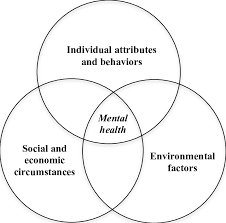
Various factors in daily life can influence overall health over time. Being aware of these elements can help individuals make more informed choices and develop habits that support well-being.
Lifestyle factors such as diet, physical activity, sleep, and stress management all play a role. For example, consistently high stress levels may affect both mental and physical health, while insufficient sleep can impact concentration and energy.
Environmental influences can also be relevant. Air quality, work conditions, and access to nutritious food are just a few examples of external factors that may contribute to overall wellness. While not all factors can be controlled, awareness can help individuals adapt where possible.
Behavioral patterns are another important aspect. Habits formed over time—such as sedentary behavior or irregular eating patterns—may gradually influence how the body functions. Recognizing these patterns is often the first step toward making adjustments.
It is important to approach these topics with balance. Not every factor has the same impact on every individual, and small, consistent changes are often more sustainable than major overhauls.
By understanding how everyday choices and surroundings interact with overall health, individuals can take a more informed and thoughtful approach to their well-being.